

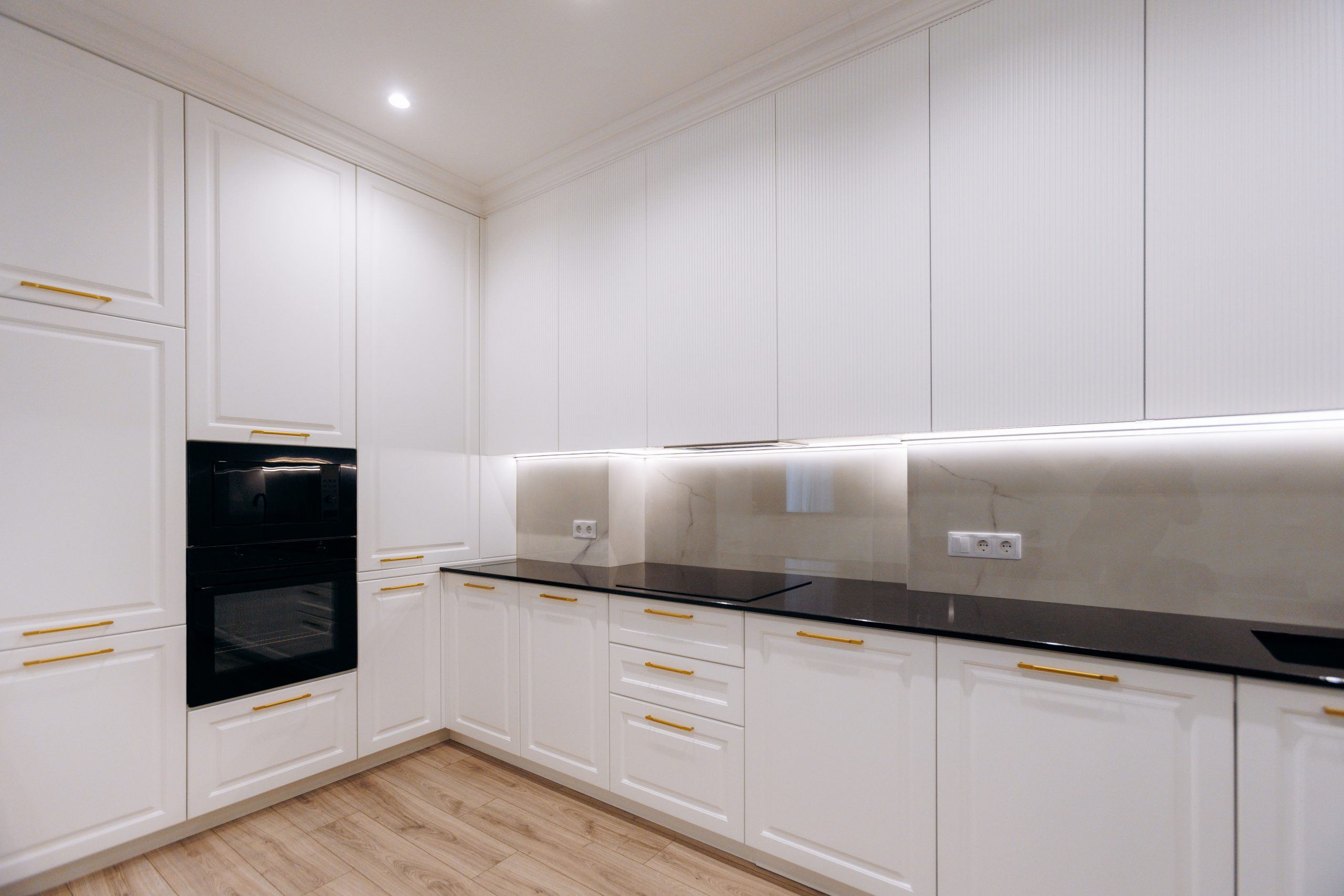
Custom finish carpentry and woodworking are experiencing an exciting evolution. As homeowners increasingly seek personalized spaces and sustainable design solutions, the industry continues to adapt with innovative materials, advanced tools, and fresh design concepts. At the same time, timeless craftsmanship remains at the heart of every successful project.
Whether you’re a homeowner planning a renovation or a professional looking to stay ahead of industry trends, understanding what’s shaping the future of carpentry and woodworking can help you make informed decisions and create spaces that stand the test of time.
Custom finish carpentry is all about the details that transform a house into a polished, finished home. From elegant crown molding and custom trim work to built-in shelving and cabinetry, finish carpentry adds personality, functionality, and visual appeal to interior spaces.
Woodworking, on the other hand, covers a broader range of craftsmanship. It includes everything from custom furniture and cabinetry to decorative wood features and architectural elements. Together, finish carpentry and woodworking combine artistry and precision to create beautiful, one-of-a-kind spaces.
Although the two terms are often used interchangeably, they serve different purposes. Finish carpentry focuses on the final touches that enhance a room’s appearance, such as moldings, baseboards, door casings, and custom trim.
Woodworking encompasses a wider scope of projects, including designing and building furniture, cabinetry, and custom wood pieces from the ground up. While finish carpentry perfects a space, woodworking often creates the elements that define it.
Sustainability has become one of the most influential trends in home design, and the woodworking industry is no exception. More homeowners are looking for materials that not only look beautiful but also minimize environmental impact.
As a result, reclaimed wood, bamboo, and responsibly sourced lumber are becoming increasingly popular choices. These materials offer unique character, durability, and environmental benefits. In addition, low-VOC stains, paints, and finishes are helping homeowners create healthier indoor environments while reducing their ecological footprint.
As awareness of sustainable building practices continues to grow, eco-friendly materials are expected to remain a major driving force in custom carpentry and woodworking projects throughout 2026 and beyond.
— Maya Angelou —